
Many Winnipeg homeowners are curious about porcelain countertops in Winnipeg, but they’re also confused because of the wrong information floating around online. Some people hear that porcelain chips easily, others worry about heat damage, and some think it’s too thin to handle daily use. These doubts make it hard to make a confident choice.
This blog clears the confusion. I’ll break down the five most common myths about porcelain countertops and explain the real truth behind each one. By the end, you’ll understand why porcelain has become one of the most dependable surfaces for modern Winnipeg homes.
1. Are Porcelain Countertops Too Thin and Weak?
The Myth
Many people think porcelain is too thin and will crack easily.
The Truth
Porcelain slabs may look thin, but they are extremely strong. They’re manufactured under high pressure and fired at temperatures above 2,000°F.
Why Thickness Doesn’t Decide Strength
Porcelain has a density that increases its hardness.
High firing temperatures create a non-porous, compact surface.
The material resists impact better than many traditional stones.
Real Example
A homeowner in Winnipeg replaced laminate with porcelain and expected chips. After three years of heavy cooking, the surface still looks fresh.
Action Tip
Choose 12mm or 6mm slabs for kitchens. Both offer excellent strength for regular home use.
2. Does Porcelain Scratch Easily?
The Myth
Some homeowners believe porcelain chips or scratches are caused by small movements.
The Truth
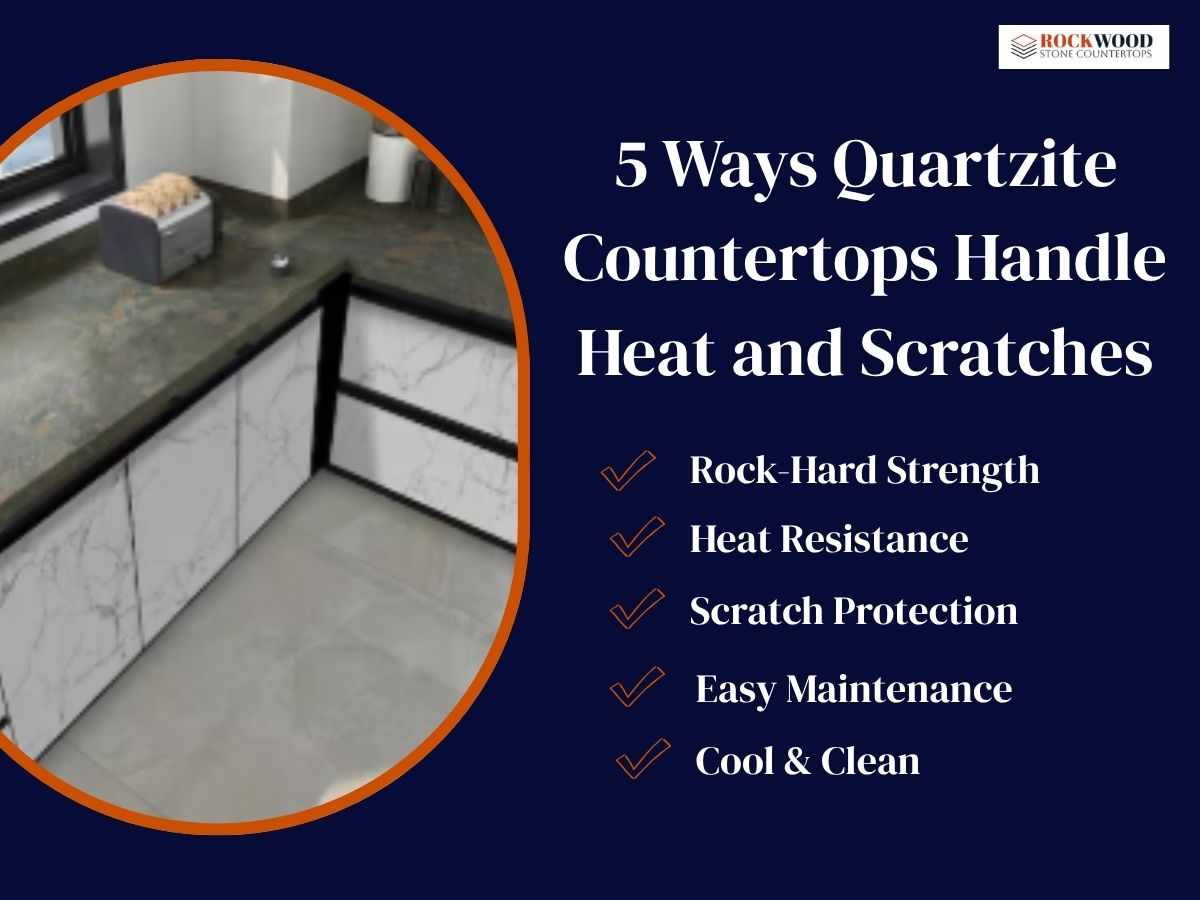
Porcelain is one of the hardest surfaces available. It ranks around 7 on the Mohs hardness scale, similar to quartzite.
This hardness protects the surface from knife marks, pot movement, and daily use.
Why It Resists Scratches
Ultra-dense structure
Hardened top glaze
Stain-resistant surface layer
Action Tip
Even though porcelain resists scratches, always use cutting boards to protect your knives.
Helpful Guide
See this detailed guide on countertop durability tips for more information.
3. Does Porcelain Fade or Lose Colour Over Time?
The Myth
People assume porcelain loses colour or fades in sunlight.
The Truth
Porcelain is actually UV-resistant. Its pigments are baked into the body of the slab, so the colour stays stable—even outdoors.
Stats That Prove It
The Ceramic Tile Institute reports that porcelain shows less than 1% colour change after long UV exposure.
Why It Performs Well in Sunlight
Colour baked into the slab
No resins or dyes that fade
Heat-stable minerals
Action Tip
For outdoor kitchens in Winnipeg, porcelain is one of the safest and longest-lasting choices.
4. Is Porcelain Only for Walls or Bathrooms?
The Myth
Some think porcelain is only good for shower walls or floors, not kitchens.
The Truth
Modern porcelain slabs are engineered specifically for countertops. They are:
Heat-resistant
Stain-resistant
Scratch-resistant
Non-porous
Porcelain is used widely in commercial kitchens because of its high hygiene level.
Why Porcelain Works Great in Kitchens
Zero-porosity prevents bacteria.
Handles hot pots without burning.
Easy to clean with simple soap and water.
Action Tip
Choose polished or matte finishes depending on your design. Both offer strong performance for cooking spaces.
5. Is Porcelain Hard to Install or Repair?
The Myth
Some believe porcelain installation is risky or complicated.
The Truth
Porcelain installation requires skill, but experienced fabricators handle it easily. Once installed, maintenance is minimal.
Why Installation Isn’t a Problem
Fabricators now use advanced tools designed for thin slabs.
Water-jet cutting ensures clean edges.
Porcelain’s light weight makes handling easier than thicker stones.
Repair Reality
Chips and cracks are rare. With a proper installation, porcelain lasts decades.
Action Tip
Always hire a certified countertop installer with experience handling large-format porcelain slabs.
Step-by-Step Guide: How to Choose Porcelain Countertops Easily
Step 1: Check the Slab Finish
Look for polished, matte, or textured surfaces based on your kitchen style.
Step 2: Compare Slab Thickness
6mm is great for walls and verticals. 12mm works best for countertops.
Step 3: Look at Edge Options
Waterfall edges, straight edges, and thin modern profiles look great with porcelain.
Step 4: Pick a Colour That Suits the Lighting
Porcelain stays stable in sunlight, so light and dark tones both work well.
Step 5: Ask About Warranty
Good fabricators offer warranties on both material and installation.
Actionable Tips for Winnipeg Homeowners
Use mild soap to keep the surface clean.
Avoid using knives directly on the surface.
Use coasters to protect the glaze.
Choose matte finishes for low-glare kitchens.
Pick patterned porcelain for a natural stone look.
Why Choose Porcelain Countertops From Rockwood Stone Countertops?
If you want strong, stylish, and long-lasting porcelain countertops in Winnipeg, Rockwood Stone Countertops offers one of the best selections. They provide high-quality slabs, skilled installation, and expert guidance for Winnipeg homeowners.
Their team focuses on durability, clean fabrication, and beautiful finishes—perfect for modern kitchen upgrades.
Final Thoughts
Porcelain countertops are not weak. They don’t fade, scratch easily, or limit you to bathrooms. With modern manufacturing and high-quality porcelain slabs, this material has become one of the most reliable choices for Winnipeg homes.
If you’re planning a new kitchen or renovation, porcelain gives you style, long-term durability, and simple everyday maintenance.
If you want, I can also create:
✅ SEO title + meta description
✅ Short GMB post
✅ Social media captions
Just tell me!


Write a comment ...